
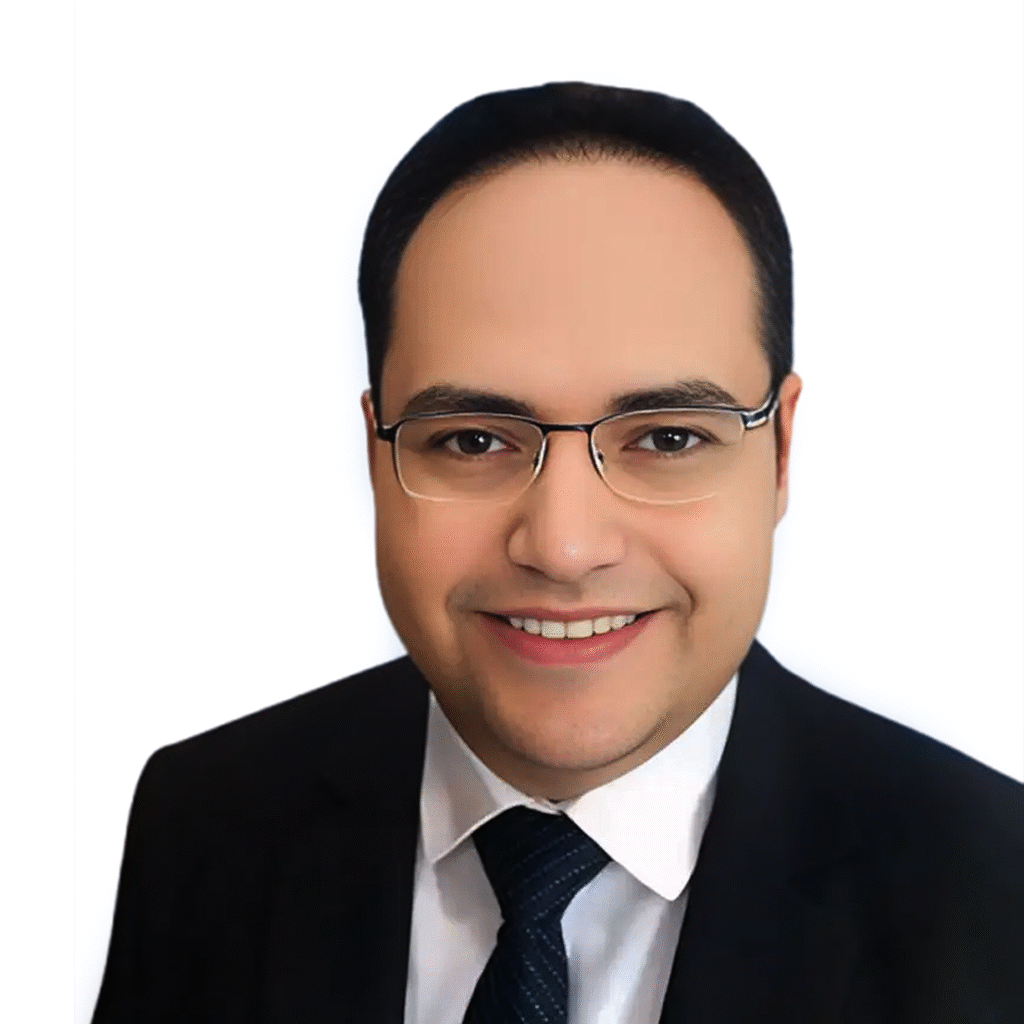
Dr. Wael Fathy
International Law • International Water Law • Transboundary Water Governance
Dr. Wael Mohamed Fathy is a researcher specializing in International Law, with a particular focus on International Water Law and the governance of transboundary water resources.
His research focuses on international water law, transboundary water governance, water diplomacy, international negotiations, and the peaceful settlement of international disputes. His current research has led to the development of the Quantitative Hydro-Legal Approach, a methodological framework that forms part of his ongoing scholarly work.
Dr. Fathy holds a PhD in International Law from the Faculty of Law, Mansoura University, and a Postgraduate Diploma in International Negotiations from the Faculty of Economics and Political Science, Cairo University. His doctoral research examined the compatibility of the 2010 Entebbe Agreement with the 1997 United Nations Convention on the Law of the Non-Navigational Uses of International Watercourses, with particular reference to the Nile Basin and regional cooperation.
Before pursuing his current research and academic activities, he served in senior legal management positions within the Government of Egypt. He also provides independent legal consultancy in areas related to his professional expertise.
He is a member of the International Water Resources Association (IWRA).
This website serves as a platform for presenting his publications, research projects, conference activities, and ongoing scholarly work. It is intended for scholars, universities, research institutions, policymakers, and international organizations interested in international law and international water law.
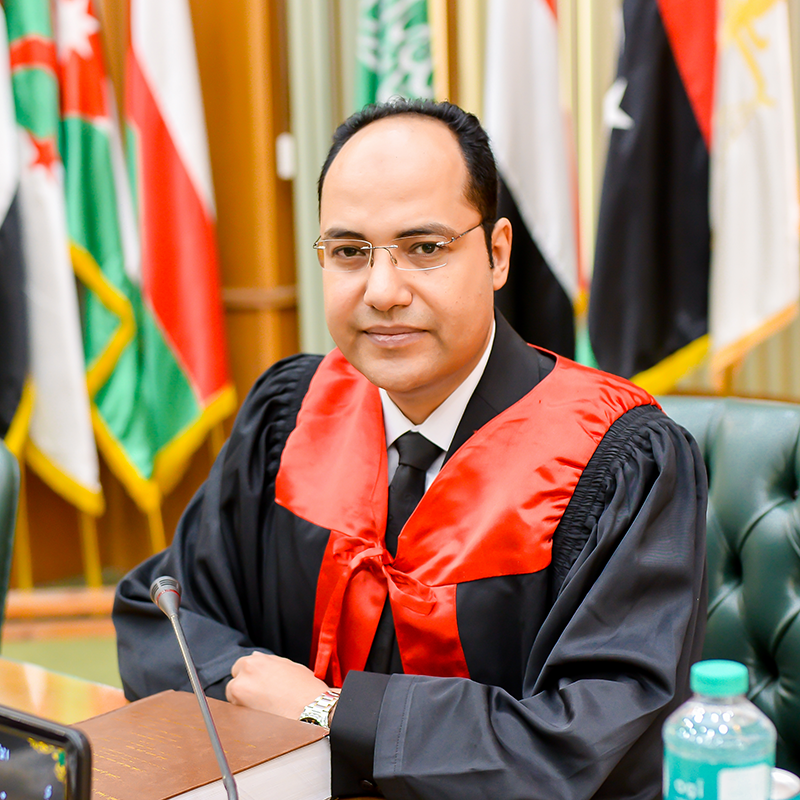
Milestones
2026 – Obtained PhD in International Law (Mansoura University)
Dissertation: The Effects of the Entebbe Agreement on Egypt’s Rights in the Nile Waters in Accordance with the Rules of International Law.
2013 – Obtained Postgraduate Diploma in International Negotiations (Cairo University).
2012 – Master of Laws (LL.M.)
2004 – Bachelor of Laws (LL.B.)
Areas of Expertise
International Water Law
Transboundary Water Governance
Hydro-Diplomacy & Negotiations
Peaceful Settlement of International Disputes
Academic Interests
Current work focuses on:
- International legal frameworks governing shared water resources.
- Treaty design and implementation.
- International water cooperation.
- Legal mechanisms for preventing and resolving transboundary water disputes.
- Sustainable governance of international river basins.
Doctoral Dissertation
Explore the abstract of my doctoral dissertation, titled “The Effects of the Entebbe Agreement on Egypt’s Rights in the Nile Waters in Accordance with the Rules of International Law.” …Read More
Collaboration
I welcome opportunities for academic collaboration with universities, research institutes, international organizations, and multidisciplinary research teams working in the fields of international law, water governance, and sustainable development…Read More
- Is Water Equity under the 1997 UN Watercourses Convention Really Vague?
 The 1997 UN Watercourses Convention is often criticized as being too vague for practical application, particularly with regard to the principle of equitable and reasonable utilization. However, this perception fails to appreciate the 1997 UN Watercourses… Read more: Is Water Equity under the 1997 UN Watercourses Convention Really Vague?
 - Why Are International Treaty Provisions Often Difficult to Interpret?
 In international law, one of the greatest challenges is balancing between political consensus and precision in treaty drafting. Too often, negotiators face a difficult choice: insist on precise legal language, which may hinder negotiations, or accept… Read more: Why Are International Treaty Provisions Often Difficult to Interpret?
 - Beyond Textualism: A Strategic Vision for Operationalizing International Water Law through Quantitative Hydro-Legal Modeling
 By: Dr. Wael Fathy More than a century after the establishment of the League of Nations—the first global international organization—international legal scholars continue to debate a fundamental question: Is international law truly “law”? Rather than revisiting… Read more: Beyond Textualism: A Strategic Vision for Operationalizing International Water Law through Quantitative Hydro-Legal Modeling